How to choose a tree service or certified arborist in Westchester County
By Elena Okafor · Updated 2026-06-23
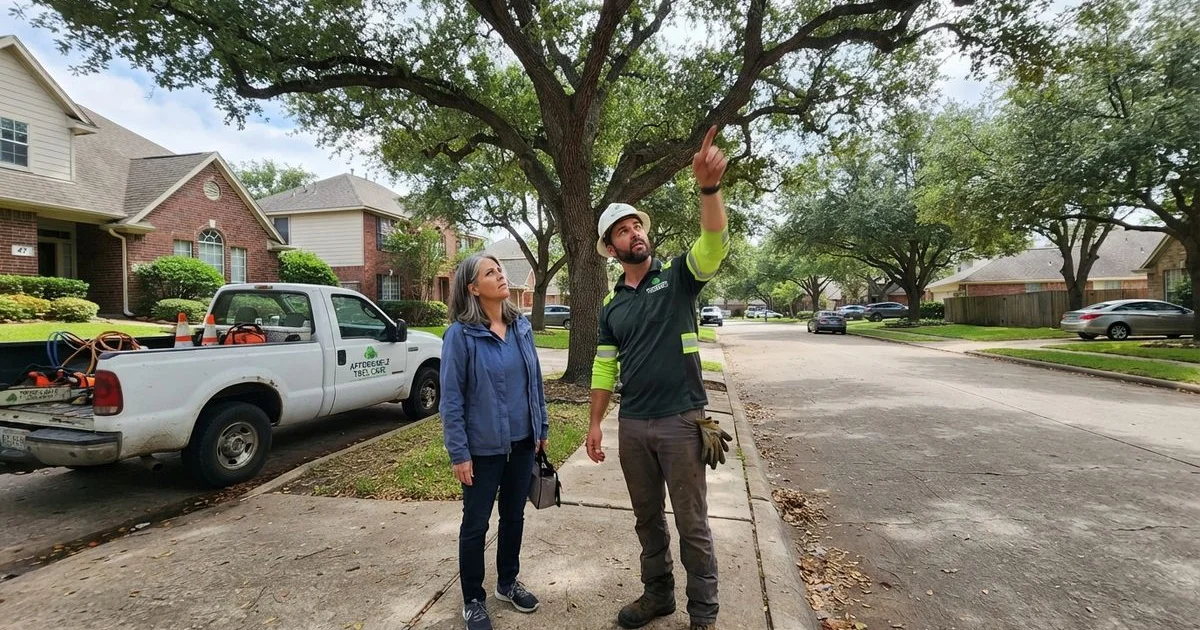
Most tree work in Westchester County goes fine. The jobs that go wrong tend to share a pattern: a homeowner picked based on price alone, skipped checking insurance, and didn’t ask what was actually included before saying yes. A short checklist up front avoids most of that.
Certified arborist vs. general tree service
Not every job needs a certified arborist. A routine tree removal or trimming job is well within the scope of an experienced general tree service crew. Where a certified arborist’s training matters more is diagnosing whether a tree is actually diseased or structurally unsound, assessing risk near a property line, or advising on work involving a protected or landmark tree. If a company you’re considering employs certified staff, that’s a point in their favor for anything beyond a straightforward removal or trim, particularly through arborist and tree health services.
What to check before you hire anyone
- Insurance. Ask for a certificate of insurance covering both liability and workers’ compensation. This protects you if equipment damages your property or a worker is injured on your job.
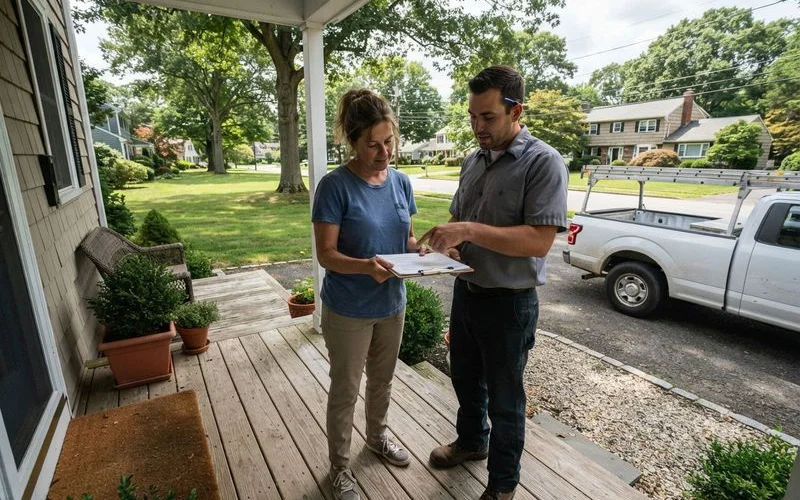
- How the quote was built. A company that gives a firm number after seeing the tree in person or from detailed photos is more reliable than one quoting blind over the phone.
- What’s included. Confirm whether cleanup, hauling, and stump work are part of the price or billed separately.
- Who’s actually doing the work. Some companies subcontract jobs out. Ask directly whether the crew that shows up is the company’s own employees.
Red flags worth taking seriously
| Red flag | Why it matters |
|---|---|
| Refuses to provide proof of insurance | You’re liable for damage or injury if something goes wrong |
| Demands full payment before work starts | Legitimate crews typically bill on completion |
| Vague or shifting scope of work | Sets up disputes over what was actually promised |
| No local address or verifiable reviews | Harder to hold accountable if something goes wrong |
| Pressure to sign same-day | A rushed decision skips the comparison that protects you |
What good communication looks like
Reviews across the region consistently praise responsive communication and professional crews as the difference between a smooth job and a frustrating one, while the recurring complaints tend to center on the opposite: unclear billing, missed callbacks, or a company that goes quiet after taking a deposit. A company willing to answer direct questions about insurance, scope, and pricing before you’ve committed to anything is showing you how they’ll handle the actual job.
A short list of questions to ask on the first call
- Are you insured, and can you send proof?
- Who will be on site supervising the crew?
- What’s included in this price, and what would trigger an additional charge?
- How do you handle cleanup and debris removal?
- What happens if you find something unexpected once the job starts?
A company that answers these clearly and without hedging is a good sign. One that talks around the questions, or seems annoyed to be asked, is telling you something too.
Comparing more than one quote
Getting two or three quotes isn’t about squeezing the lowest price out of someone, it’s about seeing whether the numbers and the scope roughly line up. A quote that’s dramatically lower than the others, especially paired with vague answers to the questions above, usually means something is being left out or cut.
How experience and specialization factor in
Some companies focus mostly on routine removal and trimming, while others build a practice around tree health, diagnostics, and preservation work. If your situation involves a valuable or sentimental tree you’re trying to save rather than remove, a company with genuine tree health expertise is worth seeking out specifically, rather than defaulting to whichever crew answers the phone first. Ask how often the company handles situations similar to yours, not just how many years they’ve been in business generally, since longevity alone doesn’t guarantee the right specialty for a specific problem.
After you’ve made a choice
Once you’ve picked a company, get the agreed scope, price, and timeline in writing before work begins, even for a smaller job. This protects both sides if a disagreement comes up later about what was actually promised, and it gives you something concrete to point back to if the final invoice doesn’t match what you expected. Our methodology explains how we evaluate and score the companies in this directory, and the home page is where to start comparing your options.
FAQ
- Do I need a certified arborist, or is a general tree service enough?
- For routine removal or trimming, an experienced tree service crew is usually sufficient. For diagnosing tree health issues, structural risk, or work near property lines and protected trees, a certified arborist's assessment carries more weight.
- How do I verify a company is actually insured?
- Ask for a certificate of insurance and, if the job is significant, consider calling the insurer directly to confirm it's current. A company that hesitates to provide this is a red flag.
- Is a lower quote ever a warning sign?
- It can be, especially if it comes with vague answers about insurance, cleanup scope, or who's actually doing the work. A big gap between quotes is worth asking about directly rather than just taking the lower number.
- What should I ask before signing anything?
- What's included in the price, whether the company is insured, who supervises the job on site, and what happens if the scope changes once work starts. Get the answer in writing if the job is a large one.