When to plant or transplant trees: the best season and site conditions
By Elena Okafor · Updated 2026-07-05
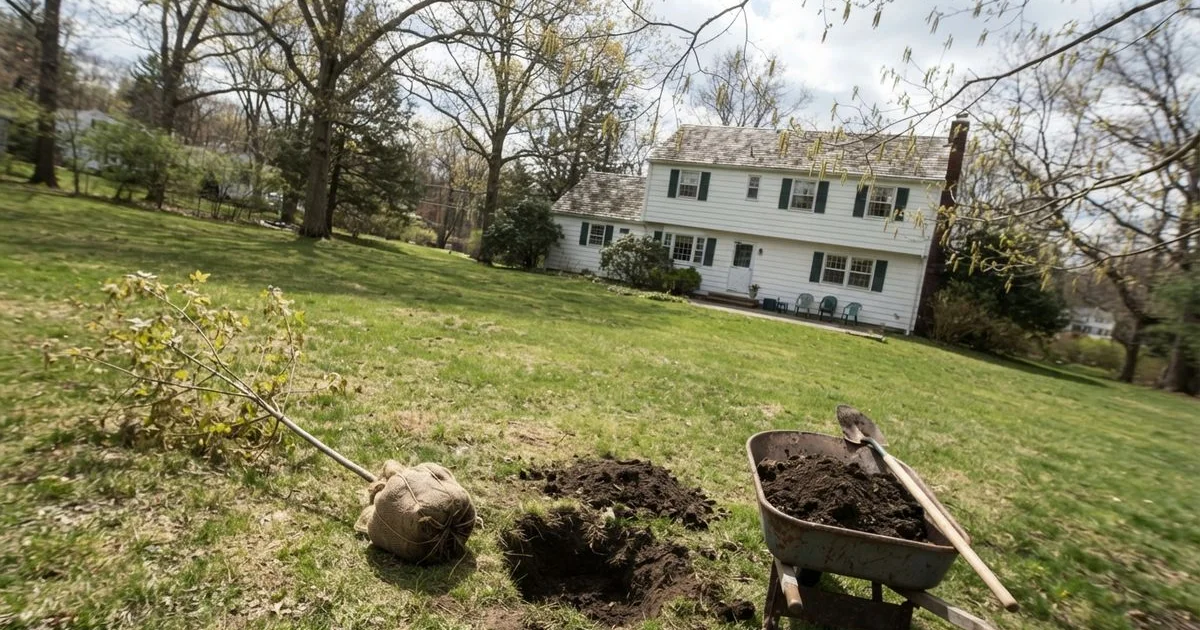
Planting or moving a tree is one of the few jobs in this trade where timing genuinely changes the outcome, not just the price. Get the season and site conditions right, and a young tree establishes with little drama. Get them wrong, and even a healthy specimen can struggle for years or fail outright.
Why fall is usually the better window
Spring planting is common because that’s when nurseries stock up and homeowners are thinking about yard projects, but fall often gives a tree a better start in this climate. Cooler air reduces stress on the above-ground parts of the tree, while soil temperatures stay warm enough for root growth to continue for several more weeks before the ground fully cools. That head start on root establishment before next summer’s heat is a real advantage.
Spring planting still works, particularly for trees that flower or leaf out early, but expect to water more consistently through the first summer if you plant in spring rather than fall.
Site conditions to check before you plant
- Drainage. A spot that stays soggy after rain can rot young roots before they establish. A spot that dries out fast needs a watering plan for the first year or two.
- Sun exposure. Match the species to the light the site actually gets, not the light you wish it got.
- Distance from structures and utilities. Check for underground utility lines before digging, and consider a mature tree’s eventual root spread and canopy width relative to your foundation, driveway, and any nearby fence line.
- Existing root competition. Planting close to an established large tree means competing for water and nutrients, which can stunt a new planting.
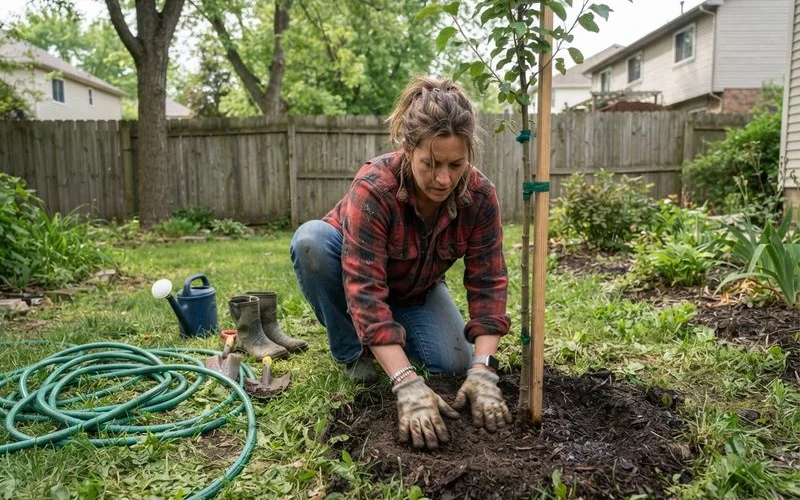
Planting versus transplanting: what changes
| Factor | New planting | Transplanting an existing tree |
|---|---|---|
| Best season | Fall, with spring as a workable option | Fall or early spring, while dormant |
| Advance prep needed | Minimal | Root pruning weeks to months ahead improves survival |
| Size limits | Depends on species and site | Smaller, younger trees transplant far more reliably |
| Risk of failure | Low with proper site prep | Higher, increases with tree size and age |
Why root pruning matters for transplanting
A tree’s root system typically extends well beyond what a single move can bring along. Root pruning ahead of a planned transplant encourages the tree to grow a denser mass of roots closer to the trunk, which travel with the tree during the move. Skipping this step and moving a tree on short notice is possible, but the tree loses a larger share of its root system in the process, which shows up as stress, slower growth, or failure to establish over the following year or two.
Choosing species for this area
Beyond timing, the right species for your site matters as much as when you plant it. A tree planting and transplanting professional can help match a species to your soil, drainage, and sun exposure, and flag anything with known local pest or disease vulnerabilities before you commit to it.
Watching a newly planted tree through its first year
The first twelve months after planting or transplanting matter more than any single decision you made about timing. Water consistently, especially through the first summer, since a young root system hasn’t spread far enough yet to find moisture on its own during a dry stretch. Mulch around the base, kept a few inches back from the trunk itself, helps retain soil moisture and moderates temperature swings. Watch for leaf scorch or unusual drop outside of normal fall color change, since either can signal the tree is struggling to establish rather than just adjusting.
Staking is sometimes recommended for larger transplants to prevent wind rock while new roots take hold, but it should come off within a year or two. A tree left staked too long can develop a weaker root system than one allowed to flex and strengthen on its own once it’s stable.
A realistic timeline
If you’re planning a fall planting, late summer is a reasonable time to start lining up a crew and finalizing species and placement, since the best planting windows are a matter of weeks, not months. This applies across Westchester County, whether the property sits closer to White Plains, Scarsdale, or one of the county’s more wooded outer towns, though sun exposure and soil conditions can vary block to block, which is another reason a site visit beats guessing from a species list alone. Our methodology explains how we evaluate the companies in this directory, and the home page is a good place to start comparing your options before the window closes.
FAQ
- Is fall or spring better for planting a new tree?
- Fall is often the better window in this climate. Cooler air temperatures reduce stress on the tree while the soil is still warm enough for root growth to continue before winter.
- Can you transplant a mature tree, or only young ones?
- Younger, smaller trees transplant far more successfully. Mature trees can sometimes be moved with professional equipment, but survival rates drop and the cost rises significantly with size.
- How much notice does transplanting a tree usually need?
- Root pruning ahead of a move, done weeks or months in advance, meaningfully improves a tree's chances of surviving a transplant. A same-week move without preparation carries more risk.
- What site conditions matter most before planting?
- Drainage, sun exposure, and distance from underground utilities or building foundations. A tree planted too close to a foundation or a buried line can cause problems years down the road.