Free and low-cost tree removal help in Westchester County
By Elena Okafor · Updated 2026-07-20
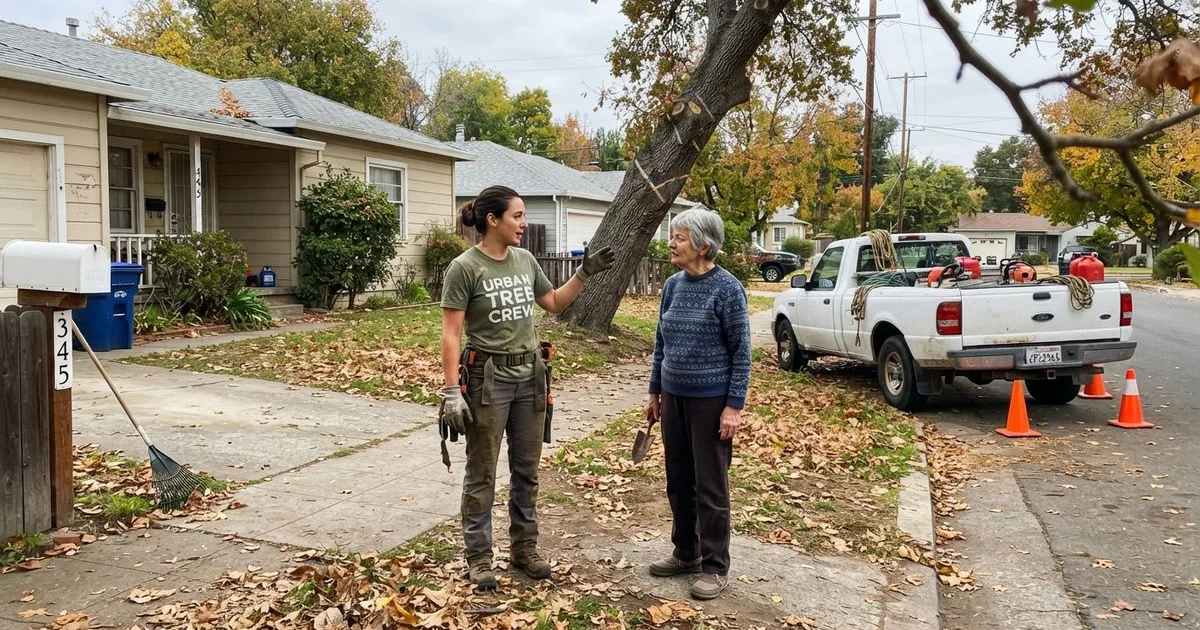
Tree removal is rarely cheap, and for homeowners on a fixed income or facing an unexpected hazard, the cost can be a real barrier. There are a few legitimate paths toward reduced-cost help, though it’s worth being realistic that fully free removal is the exception rather than the rule.
Where reduced-cost help sometimes exists
- Municipal assistance for hazard trees. Some towns in Westchester County have programs or emergency protocols for trees that pose an immediate risk to a public right-of-way or utility line, since the hazard isn’t limited to one property.
- Insurance coverage after storm damage. If a tree fell due to a covered storm event and damaged an insured structure, your homeowners policy may cover some or all of the removal. This is different from removing a tree that’s simply concerning but hasn’t fallen or caused damage.
- Company-specific senior or veteran discounts. Some individual businesses offer these as a matter of their own policy. It’s not universal, so ask directly when getting quotes rather than assuming it’s offered.
- Nonprofit and community programs. Occasionally, local nonprofits or community groups run tree-related assistance for elderly or low-income homeowners, though availability varies and isn’t guaranteed year to year.
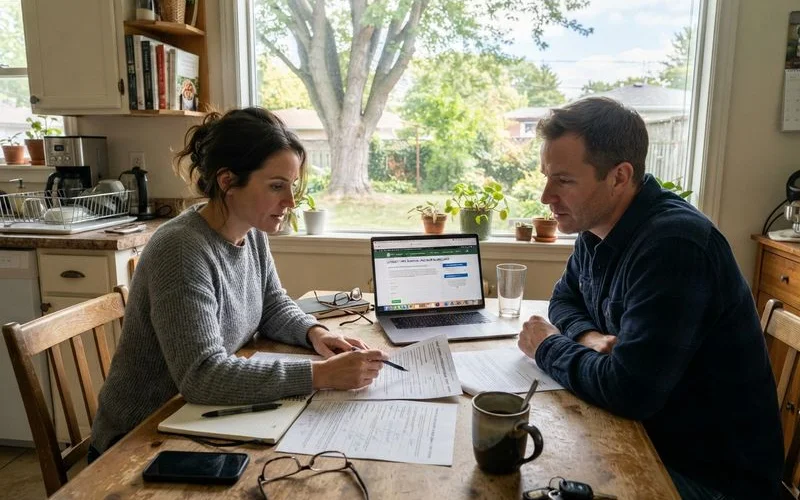
A realistic starting point
| Situation | Where to look first |
|---|---|
| Tree fell and damaged your home in a storm | Your homeowners insurance claim |
| Hazardous tree threatening a public right-of-way | Municipal code enforcement or public works |
| General cost concern, no emergency | Multiple quotes, ask about senior/veteran discounts directly |
| Genuinely can’t afford a hazardous tree’s removal | Local building department, they may have protocols for genuine hazards |
Getting the most out of a limited budget
If full assistance isn’t available, a few practical steps can still bring the cost down:
- Get multiple quotes. Pricing varies enough between companies that comparing two or three is worth the phone calls.
- Ask about payment plans. Some companies offer financing or installment options for larger jobs rather than requiring payment in full up front.
- Bundle work. If you have more than one tree needing attention, ask whether doing them in a single visit brings the per-tree cost down.
- Time it outside peak season. Late fall and winter scheduling is sometimes priced more competitively than spring, when demand for tree removal typically rises.
When the tree is a genuine safety issue you can’t afford to address
If a tree threatens a structure, a right-of-way, or a neighboring property, and cost is a genuine barrier, contact your local building or code enforcement office rather than letting the hazard sit unaddressed. Many municipalities have some process for genuinely dangerous trees, particularly ones affecting public safety, even if it isn’t advertised as a formal assistance program.
Financing as a middle ground
Between fully free assistance, which is limited, and paying the entire cost up front, financing is worth asking about directly. Some tree service companies offer their own payment plans for larger jobs, while others partner with third-party financing services that let you spread a bill across several months. This isn’t the same as a discount, the total cost is usually the same or slightly higher once any financing fees are included, but it can make a necessary removal manageable on a tight monthly budget rather than requiring the full amount at once. Ask about this specifically when getting a quote, since it’s not always advertised up front.
What to have ready before you call
Whether you’re pursuing a discount, a payment plan, or a municipal program, having a few things ready speeds up the process: recent photos of the tree from a couple of angles, a rough sense of its size and location relative to your house or the street, and, if relevant, your insurance policy information. Being able to answer basic questions quickly, rather than needing to call back after gathering details, tends to move things along faster whether you’re talking to a company, an insurer, or a town office.
A note on this guide
Assistance programs and discount policies change and vary by town and by company, so treat this as a starting point for questions to ask rather than a guaranteed list of resources. Our methodology explains how we evaluate the tree service companies in this directory, and the home page is a good place to start getting quotes to compare.
FAQ
- Is there ever truly free tree removal available?
- Genuinely free removal is uncommon outside of specific hazard or storm-emergency programs, but reduced-cost help through municipal assistance, senior programs, or nonprofit partnerships does exist in some cases.
- Does homeowners insurance ever cover tree removal costs?
- Sometimes, particularly if the tree fell due to a covered event like a storm and damaged an insured structure. Removal of a tree that hasn't fallen or caused damage is less commonly covered. Check your specific policy.
- Are there discounts for seniors or veterans?
- Some individual companies offer senior or veteran discounts as a matter of policy, though this varies by business. It's worth asking directly when you call for a quote.
- What if I can't afford removal of a hazardous tree at all?
- Contact your municipality's code enforcement or building department. Some towns have programs or emergency protocols for genuinely hazardous trees, especially ones threatening a right-of-way or a neighboring property.